If you’ve ever priced PVC tarpaulins for a project—whether it’s a construction site covering, a livestock shelter, a temporary pool, or even a custom event structure—you’ve probably wondered why some suppliers offer “standard sizes” that don’t quite line up with what you need. As a PVC tarpaulin supplier who’s been in this industry for 12 years, I get it: nothing’s more frustrating than settling for a tarp that’s too small to cover your load or too big to fit through a standard loading dock, wasting time, material, and money. Over the years, I’ve fielded this question hundreds of times: “What’s the actual standard size of PVC tarpaulin?” The short answer isn’t as simple as a single number, because “standard” depends on what you’re using the tarp for, where it’s being sold, and even regional preferences. But let’s break this down with real-world context, not just textbook specs, because that’s what matters when you’re placing an order. PVC Tarpaulin
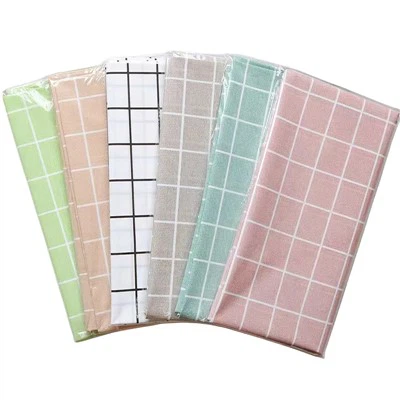
First, it’s important to clarify that PVC tarpaulins (sometimes called vinyl tarps) are different from lightweight polyethylene (PE) tarps. They’re thicker, more tear-resistant, UV-stabilized, and built for long-term outdoor use, so their sizing standards are tailored for heavy-duty applications. The base measurement for most commercial PVC tarps starts with the width of the roll they’re manufactured on, because that’s how producers make them efficiently. For decades, the global base standard roll width for commercial-grade PVC tarpaulins is 3.2 meters (about 10.5 feet) or 5 meters (about 16.4 feet). These are standard because they work with most factory cutting equipment, minimize waste during production, and align with common bulk transport dimensions. In North America, many suppliers also stock a 2.7-meter (9-foot) roll width for smaller, more niche applications, while in Europe and parts of Asia, the 5-meter roll is far more popular than the 3.2-meter one.
Once you have the base roll, most suppliers offer pre-cut “standard” sheet sizes that are derived from these roll widths. That’s where things get practical for customers, because pre-cut sizes let you avoid custom cutting fees and lead times. Let’s start with the most common sizes in each major region, since that’s what you’ll actually find in stock at most suppliers. In the United States and Canada, the top standard sizes for heavy-duty PVC tarpaulins are:
- 10 feet x 10 feet (3m x 3m): A go-to for small covers, like ATVs, firewood piles, or outdoor furniture. This is small enough to move around easily but tough enough to last a full season outside.
- 12 feet x 20 feet (3.6m x 6m): A workhorse for construction, covering lumber piles, small equipment, or temporary storage. This size fits perfectly over most standard pickup truck beds when you add a foot of overhang on all sides, which is a key detail many first-time buyers miss.
- 16 feet x 20 feet (4.8m x 6m): Popular for medium to large construction jobs, covering foundations or larger equipment.
- 20 feet x 30 feet (6m x 9m): Common for livestock shelters, event tenting, or covering semi-truck loads that need extra protection from rain and wind.
- 30 feet x 50 feet (9m x 15m): The largest standard stock size, used for large construction sites, agricultural storage, or temporary event venues.
In Europe, Australia, and New Zealand, where the metric system is universal, standard stock sizes are a bit different, aligned with the 3.2m and 5m roll widths I mentioned earlier. The most frequent sizes there are:
- 3m x 3m (10ft x 10ft): Similar to the North American small tarp, for garden and light industrial use.
- 4m x 5m (13ft x 16ft): A popular mid-sized tarp for construction and landscaping.
- 5m x 8m (16ft x 26ft): Great for covering trailer loads or medium livestock structures.
- 6m x 10m (20ft x 33ft): Used for larger agricultural or commercial applications.
Now, here’s the part that trips a lot of people up: “standard” doesn’t mean exact. PVC tarpaulins have a small tolerance for size variation, usually between 1% and 2% in length and width, because they’re a flexible, heat-fused material. For example, a 10ft x 10ft tarp might measure 9ft 11.5in x 10ft 0.5in when it comes off the roll, which is within the industry standard tolerance. This isn’t a defect—it’s just how flexible sheet materials are, and reputable suppliers will note this tolerance in their product specs to avoid confusion.
It’s also critical to distinguish between “standard stock sizes” and “custom sizes,” because that’s where many buyers make a mistake. A lot of suppliers advertise “standard sizes” as their in-stock items, which are available for immediate pickup or 1-2 day delivery. Custom sizes, meanwhile, are cut to exact dimensions you specify, usually take 3-5 business days, and add a small cutting fee. I always advise customers to check if a standard size will work for their project before ordering custom—for example, if you need a tarp to cover a 19ft x 29ft load, a 20ft x 30ft standard size will give you 6 inches of overhang on all sides, which is more than enough for most applications and saves you money on custom work.
That said, there are a few common myths about PVC tarpaulin sizing that I’ve heard over the years. One is that “10oz” or “18oz” refers to size—no, that’s the thickness of the tarp (in ounces per square yard), which relates to durability, not dimensions. Another myth is that all PVC tarps are available in every standard size—we’ve had customers ask for a 25ft x 50ft tarp, which is a custom size because it doesn’t align with our base roll widths, and that’s fine, as long as they plan for the lead time. The biggest myth, though, is that suppliers use the same size standards across the world. A 20ft x 30ft tarp in the US is not the same as a 20ft x 30ft tarp in Japan, where many suppliers use a smaller base roll width of 2.7 meters (about 9 feet), so “standard” is always tied to your region’s common applications.
As a supplier, I’ve adjusted my inventory over the years based on what my customers actually need, not just what the old industry specs say. For example, during the 2020 construction boom, we noticed that small contractors were asking for a 15ft x 25ft tarp, which wasn’t a standard size anywhere, so we added it to our stock line because we realized it filled a gap. Similarly, in agricultural regions, farmers often need tarps for round hay bales, so we offer 8ft x 12ft standard sizes that fit exactly over a standard round bale, a use case that’s become more common over the past decade.
When you’re ordering PVC tarpaulins, there are a few things to confirm beyond just the size, to make sure you’re getting what you need. First, check the roll width the tarp is cut from—if you’re covering a very long, narrow load, a 3.2m roll might give you more usable length than a 5m roll without extra overhang. Second, confirm the tolerance: if you need a tarp for a very tight fit (like a custom tent frame), you’ll want to order a custom size, because standard tolerances might be too much. Third, factor in hem and grommet size if you plan to attach the tarp to something—hems add about 2 inches to each edge, so a 10ft x 10ft tarp with hems and grommets will end up slightly smaller in usable space, a detail I always list in my product descriptions.
Another thing I tell first-time buyers: don’t assume a “standard size” from one supplier is the same as another. Some smaller suppliers might use their own proprietary sizes to cut costs, while larger bulk suppliers stick to the regional standards I outlined. That’s why it’s always a good idea to order a sample if you’re unsure, especially for a large project—we offer free 2ft x 2ft samples so customers can check the size, thickness, and durability before placing a bulk order.
At the end of the day, the “standard size” of PVC tarpaulin is less about a single set of numbers and more about what works for your project, your region, and your timeline. Stock standard sizes are designed to be convenient and cost-effective, while custom sizes let you fit unique needs. As a supplier who’s worked with everyone from individual homeowners covering their backyard firewood to large construction firms covering multi-acre sites, I know that the best tarp size is the one that fits your specific job, not just what’s listed as “standard” online.

If you’re planning a project and need help figuring out the right PVC tarpaulin size, or want to discuss custom options for your unique needs, feel free to reach out for a consultation. We work with clients across industries, can help you compare standard vs. custom sizes, and make sure you get a tarp that’s durable, sized correctly, and fits your budget.
EVA Coated Mesh Fabric References
- Tarpaulin Industry Association of North America. (2022). Standard Specifications for Commercial Vinyl Tarpaulins.
- European PVC Roofing and Tarpaulin Association. (2021). Sizing and Tolerance Standards for Heavy-Duty PVC Sheet Materials.
- Agricultural Tarpaulin Manufacturers Association. (2023). Common Size Requirements for Livestock and Farm Storage Tarps.
- International Organization for Standardization. (2019). ISO 105-B02: Textiles – Tests for Colour Fastness – Part B02: Colour Fastness to Artificial Light: Xenon Arc Fade Test, relevant to material consistency in sizing.
Nantong Dahe Composite New Material Technology Co., Ltd.
We’re well-known as one of the leading PVC tarpaulin manufacturers and suppliers in China, specialized in providing high quality customized products to global clients. Please feel free to wholesale cheap PVC tarpaulin in stock here from our factory. Contact us for quotation and free sample.
Address: South Side of Pinghai Highway, Pinghe Village, Dongshe Town, Tongzhou District, Nantong City, Jiangsu Province, China
E-mail: nantongdahe@outlook.com
WebSite: https://www.cndahetech.com/
