Hey everyone, let’s cut through the confusion for a sec – if you’ve ever stared at a PVC pipe, you’ve probably wondered about those little round caps on the ends, right? Wait, not just any caps – we’re talking about PVC cap fittings, and trust me, they’re way more than just a “plumbing afterthought” (I used to think that too before I got deep into being a PVC pipe fittings supplier). Let’s break this down like we’re chatting over coffee, no boring jargon or long textbooks here. PVC Pipe Fittings

First off, what even is a PVC cap fitting, exactly? It’s this rigid, lightweight plastic piece made from the same PVC (polyvinyl chloride) resin as most standard PVC pipes – super durable, resistant to chemicals and rust, way cheaper than metal fittings, and it slips right over or threads onto the end of a PVC pipe, kind of like a bottle cap but for pipes. Most people I talk to mix them up with end caps or plugs, but caps are usually for the open end of a pipe that’s already installed, while plugs are more for temporary, like when you’re testing a line. Got it? Good.
Now, let’s get to the real question: what are they actually used for? Let’s start with the most obvious job – sealing pipe ends to keep debris out. I’ve seen this a hundred times on job sites: a framer will cut a PVC pipe for a home’s sprinkler system, leave the end open for an hour while they grab another tool, and within 10 minutes, leaves, dirt, even little pebbles are in there. That’s a nightmare later when you try to turn on the water – the debris clogs valves, sprinkler heads, even whole sections of pipe. A PVC cap fitting solves that in two seconds, no special tools needed. It’s also perfect if you’re working on a partial install: like, if you’re running PVC lines for a new bathroom but haven’t hooked up the sink yet, cap the water line’s end to keep it clean until the plumber comes back.
Wait, not just plumbing! That’s another thing people miss. I supply fittings for so many industries, not just residential and commercial plumbing. Let’s think: agricultural applications first. Farmers use PVC pipe for irrigation lines, right? After harvest season, they don’t want to leave those lines open all winter – snow, rodents, even pest eggs can get in there. PVC caps seal them tight, so the lines stay clean and ready to go when spring rolls around. I had a customer last year, a small-scale organic farm in Ohio, who told me they saved hundreds of dollars in pipe repairs just by capping their lines between growing seasons. That’s way more than just a side use.
Then there’s construction, especially utility and infrastructure projects. Ever walked past a new sidewalk or road and seen PVC pipes sticking out of the ground? Those are often utility lines (electric, fiber optic, gas – wait, no, don’t cap gas lines with PVC, that’s a whole other rule, stick to what we know) like fiber optic cables waiting to be connected to a new building. The open ends would get full of concrete dust, rock chips, even rainwater that causes corrosion. A PVC cap fitting is cheap, quick to install, and protects those lines while they’re waiting. I also work with electrical contractors sometimes – wait, no, PVC for electrical is usually PVC conduit, and caps for that too – same idea, seal the ends to keep dirt and moisture out of the wiring.
Another big use: closing off unused pipe branches in existing systems. Let’s say you’ve got a house with an old sprinkler system, and you want to remove one zone because you turned that part of the yard into a garden. The line for that unused zone is still running under the grass, and if you leave it open (or even if you just cap it with a random piece, not a proper PVC fitting), you’ll get leaks or pressure drops in the working zones. A threaded PVC cap fitting (not the slip-on kind) is perfect here – it screws right onto the existing threaded pipe end, creates a permanent seal, and doesn’t mess with the rest of the system. I get so many calls from homeowners asking about this, and it’s such an easy fix for a common problem.
Wait, let’s talk about the different types, because that matters for what they’re used for. Not all PVC caps are the same. Slip-on caps (also called solvent-weld caps) are the most common – you just prime and glue them onto the end of a smooth PVC pipe, and they create a super tight, permanent seal. These are for when you want something that doesn’t come off easily, like sealing a pipe that’s already in a wall or under the concrete. Then there are threaded caps, which have male threads inside – you screw them onto a pipe with external threads, so you can take them off later if you need to access the line. That’s great for sprinkler zones or utility lines that might need maintenance down the line. And then there are flush caps, which are made to sit level with the pipe, so they don’t stick out and get damaged if something’s rubbing against the pipe, like in a wall or a cabinet.
Let’s address a common myth too: some people think PVC caps are only for temporary use, but no – when installed correctly with the right PVC primer and cement, a solvent-weld cap is permanent. I’ve had customers who installed caps on their pool’s PVC lines (wait, yes, pool plumbing is all PVC) 5 years ago, and they’re still holding tight, no leaks, no issues. Just make sure you get the right size for your pipe – if the cap’s too small, it won’t seal; too big, it’ll fall off. That’s why I always tell people to double-check their pipe’s diameter (PVC pipes are labeled by nominal size, not actual diameter, so that’s a quick pro tip I give everyone) when ordering caps.
Another use I don’t see talked about enough: DIY and hobby projects. I’ve had random customers – a guy making a PVC frame for a greenhouse, a teen building a pipe desk, even a local artist making outdoor sculptures – all using PVC cap fittings. It’s such a simple way to cap the ends of the pipes you cut for a project, so they don’t have sharp edges and look clean. Way cheaper than buying fancy end caps for custom projects, and it works perfectly. I sold a bunch of 1-inch caps last month to a teacher who was making a DIY PVC marble run for her 4th grade class – she said the cap ends kept marbles from falling out the bottom when the run turned. Brilliant, right?
Now, let’s get real about why PVC caps are better than other options. Sure, you could use a rag or duct tape to seal a pipe end, but that’s temporary, messy, and doesn’t create a proper seal. Metal caps? They rust, are way more expensive, and heavier, which isn’t ideal for plastic PVC pipes. Even other plastic caps that aren’t PVC? They might not be compatible, could break easily, or not handle the chemicals or UV exposure that PVC does. PVC is also corrosion-resistant, so if you’re using it outdoors, it won’t degrade in the sun like some other plastics. That’s a huge plus for all the outdoor uses I mentioned earlier – sprinklers, utility lines, DIY projects outside.
Wait, let’s touch on safety too, because that’s a big one. When you’re working with plumbing or construction, leaving open pipe ends is a hazard. A loose PVC pipe is one thing, but an open end sticking out at eye level? Someone could get hurt, or a kid could stick something in it. A PVC cap fitting covers that open end, making the area safer. I remember a contractor friend telling me he once walked past a job site where a PVC pipe was sticking up from the ground, and a worker’s boot got stuck in the open end – that would’ve been way worse if there was a cap there. Not to say caps prevent all accidents, but they’re a small safety measure that adds up.
Now, let’s get to the part where I talk from being a supplier, not just a random person on the internet. I’ve been doing this for years, and the most common mistake I see customers make is buying the wrong cap. They’ll order a slip-on cap for a threaded pipe, or vice versa, and it won’t fit. Or they’ll buy a cap that’s rated for indoor use only, and it cracks after a year of being outside in the sun. That’s why I always tell people to check two things first: what kind of connection do you have (slip or threaded) and what environment the cap will be in. We stock caps for every size PVC pipe, all types of connections, and even UV-resistant ones for outdoor use – no hidden fees, just the right part for the job.
At the end of the day, PVC cap fittings are one of those “invisible workhorses” of plumbing and construction. You don’t see them when they’re working right, but they solve so many small, annoying (and sometimes expensive) problems. From keeping debris out of sprinkler lines to sealing unused utility pipes to making a DIY project look neat, they’re way more versatile than most people give them credit for.
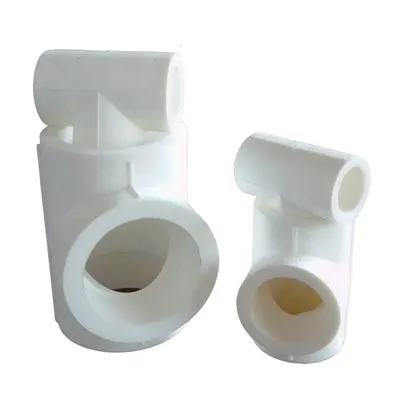
If you’ve got a project coming up – whether it’s a new plumbing install, fixing your old sprinkler system, a DIY build, or anything in between – and you need PVC cap fittings, don’t guess or go to the big box store and hope they have the right size. Reach out to us. We’ve got all sizes, all types, and we can help you figure out exactly what you need, no confusing jargon or pushy sales tactics. Just tell us what you’re working on, and we’ll get you the right fittings at a fair price.
PVC Granules References:
- American Society for Testing and Materials. Standard Specification for Poly(Vinyl Chloride) (PVC) Plastic Pipe Fittings, Schedule 40 and Schedule 80. ASTM International, 2022.
- National Plumbing Codes. Uniform Plumbing Code Section 701: Pipe and Fitting Installation Requirements. International Code Council, 2021.
- PVC Pipe Association. PVC Applications Guide: Agricultural, Commercial, and Residential Uses. PVC Pipe Association, 2023.
Hebei Ruijie Pipe Industry Co., Ltd.
Hebei Ruijie Pipe Industry Co., Ltd. is one of the most experienced pvc pipe fittings manufacturers and suppliers in China. With a professional production team, we are able to meet the needs of the majority of our customers. Welcome to wholesale high quality pvc pipe fittings in stock here from our factory. Contact us for pricelist and free sample.
Address: Industrial Park, Shaozhuang Township, Suning County, Cangzhou City, Hebei Province
E-mail: liangdaojing386@gmail.com
WebSite: https://www.rjpprpipe.com/
