If you’ve ever walked through a cornfield just after herbicide application and noticed how the weeds that once choked rows of young plants start to curl and fade within a week, there’s a good chance Pyroxsulam was part of that treatment. As a Pyroxsulam supplier who’s spent the last decade working with farmers, agronomists, and input specialists across the Midwest, I’ve heard every question about this herbicide: Is it safe for my corn? Will it work on those stubborn grassy weeds? Am I mixing it right? Today, I want to break down exactly how to apply Pyroxsulam—what I’ve learned from on-farm trials, trial-and-error in spray tanks, and hundreds of conversations with folks who trust this product to protect their crops. No overly technical jargon, no fine print that only chemists love, just practical, actionable steps that actually work. Pyroxsulam

First, let’s get one thing straight: Pyroxsulam isn’t a one-size-fits-all herbicide. It’s part of the sulfonamide family, so it targets a specific enzyme called acetolactate synthase (ALS, sometimes also AHAS) that weeds need to make essential amino acids—without those, they can’t grow and die within two to three weeks. That’s why it’s so effective on hard-to-kill weeds like foxtail, barnyardgrass, yellow and purple nutsedge, even some types of pigweed that have built up resistance to older herbicides. But to get that kill, you can’t just dump it in a sprayer and call it a day. Timing, tank mixing, and application conditions matter more here than with many other products.
Let’s start with timing—this is the single most important factor I talk about with new customers. Pyroxsulam works best when weeds are small and actively growing. For most grassy weeds, that means applying when they’re in the 1- to 3-leaf stage. For broadleaf weeds, it’s similar: target them when they’re less than 4 inches tall. Why? Once weeds get past that stage, their waxy outer layer thickens, and their internal processes slow down, so Pyroxsulam can’t move through the plant as easily. I remember a customer in Iowa a few years back who waited three weeks too long because of a rainy spell; his foxtail was knee-high, and even the full labeled rate of Pyroxsulam only knocked back about 60% of them, leaving him to go back with a second application that cost him extra time and money. That’s a mistake I see far too often—don’t let weather delays push you past the optimal window.
One big caveat with timing: Pyroxsulam isn’t designed to be a rescue treatment for overgrown weeds. If your field is already infested with weeds taller than your corn, this product isn’t going to fix that. It works as a pre-emergent? No, wait—important correction: it’s a post-emergent herbicide only. That means you apply it after both the corn and the weeds have started growing. For corn, that means when it’s between the V2 (second leaf) and V8 (eighth leaf) stage. Once corn hits V8, it’s too tall to apply broadcast safely, and Pyroxsulam can cause stunting if it touches lower leaves or the growing point too late. If you have volunteer corn or soybeans in your field, that’s another consideration—Pyroxsulam will also damage those, so skip application if you’re planting rotational crops that aren’t corn, or if you have volunteer non-corn plants that you don’t want to kill.
Next up: tank mixing. This is where a lot of first-time users get confused. Pyroxsulam works well on its own, but mixing it with other products can extend its weed control spectrum, improve uptake, and reduce the chance of resistance. That said, not all mixes are created equal, and you have to follow the label strictly. I always advise customers to check the product label (yes, I know, everyone hates reading fine print, but it’s non-negotiable here) for approved mix partners. The most common mix is with atrazine—this adds control of tough broadleaf weeds like velvetleaf and pigweed that Pyroxsulam alone might miss. Another common mix is with a crop oil concentrate (COC) or a non-ionic surfactant (NIS) to help the Pyroxsulam stick to weeds’ waxy leaves and move into their systems faster. A quick tip here: if you’re using hard water (which has high levels of calcium or magnesium), add a water conditioner to the mix. Those minerals can break down Pyroxsulam before it even hits the weeds, so that extra step will make your application way more effective.
When you’re loading the spray tank, order matters. Always start with half the volume of water you need, then turn on the agitation (that’s the mixer in your tank—don’t skip this, it keeps the product evenly mixed) before adding any products. First, add any water conditioner, then atrazine if you’re using it, then COC or NIS, then finally Pyroxsulam. Wait 5 minutes between adding each product to make sure they mix properly. If you add Pyroxsulam first, it can clump up or react with other chemicals, leaving you with a tank that’s uneven and less effective. I once had a small farmer test that by adding Pyroxsulam first; his sprayer had clogged nozzles in three places, and his weed control was spotty, with some weeds getting too little product and some getting too much. Don’t make that mistake—take the extra 5 minutes to layer your tank load correctly.
Now, application conditions. This is another area where I’ve seen a lot of variation in results. Pyroxsulam needs to dry on the weed leaves within 15 to 30 minutes after spraying to work properly. If it rains within that window, you’ll have to reapply, and rain within 4 hours can reduce efficacy even if it’s not a heavy downpour. So check the forecast before you spray—if rain is coming within the next 6 hours, wait. Also, avoid spraying when temperatures are above 85°F (29°C) or below 50°F (10°C). At high temperatures, Pyroxsulam can volatilize, meaning it turns into a gas and drifts away, instead of sticking to weeds. At low temperatures, weeds stop growing, so they can’t absorb the herbicide effectively. Wind is another factor: don’t spray when winds are over 10 mph. Pyroxsulam can drift to neighboring crops, especially if those are broadleaf plants like soybeans or vegetables, so be mindful of field boundaries and follow all local drift regulations. When it comes to spray nozzles, use flat-fan nozzles that produce medium-sized droplets—they stick better to weeds and reduce drift, while still providing enough coverage to get product to all parts of the weed.
One question I get all the time: is Pyroxsulam safe for corn? The short answer is yes, when applied correctly. Corn has a built-in enzyme that breaks down Pyroxsulam, so it doesn’t harm the crop, but that only works if you follow the application rate and timing. The labeled rate for most corn is between 1.25 and 2.5 ounces per acre, depending on the weed pressure and the size of the weeds. Never exceed the maximum rate—overapplying can cause temporary stunting (you might notice slightly yellow lower leaves for a week or two, but the corn will outgrow it) and can also contribute to weed resistance. If you have light weed pressure, stick to the lower rate; if you have heavy pressure or tough weeds, use the full labeled rate, but don’t go overboard. I always tell customers to do a small test patch if they’re working with a new hybrid corn variety. Pick a 10×10 foot area, apply the product at the full rate, and watch it for 10 days. If the corn looks healthy, you’re good to spray the whole field. If there’s severe stunting, maybe switch to a different hybrid or adjust your rate, but in all my years, I’ve only seen that happen once when a customer applied Pyroxsulam too late in the corn’s growth stage.
Resistance management is a big topic in agriculture these days, and Pyroxsulam is no exception. Since it targets the ALS enzyme, overusing it can lead to weeds developing resistance, just like with other ALS herbicides. To avoid that, don’t apply Pyroxsulam more than once per growing season, and never use it as the only herbicide in your rotation. Pair it with different modes of action—like atrazine, which is a different enzyme target—to keep weeds from building up tolerance. Also, rotate your herbicide classes every year, not just season to season. If you use an ALS herbicide (like Pyroxsulam) one year, switch to a Group 15 herbicide (like acetochlor or metolachlor) the next, then go back to ALS if needed. That rotation will keep your herbicides working for years to come.
Let’s wrap this up with a quick, step-by-step checklist that you can keep in your spray cab, so you don’t miss anything:
- Timing: Spray Pyroxsulam when corn is V2 to V8, and weeds are 1-3 leaf (grasses) or <4 inches (broadleaves).
- Tank Load: Order matters—water first, then conditioner, then mix partners, then Pyroxsulam. Agitate the whole time.
- Rate: Stick to 1.25-2.5 oz/acre, adjust for pressure but never exceed max.
- Conditions: No rain for 15-30 minutes after spraying, temps 50-85°F, winds <10 mph.
- Resistance: Pair with other modes of action, apply once per season, rotate annually.
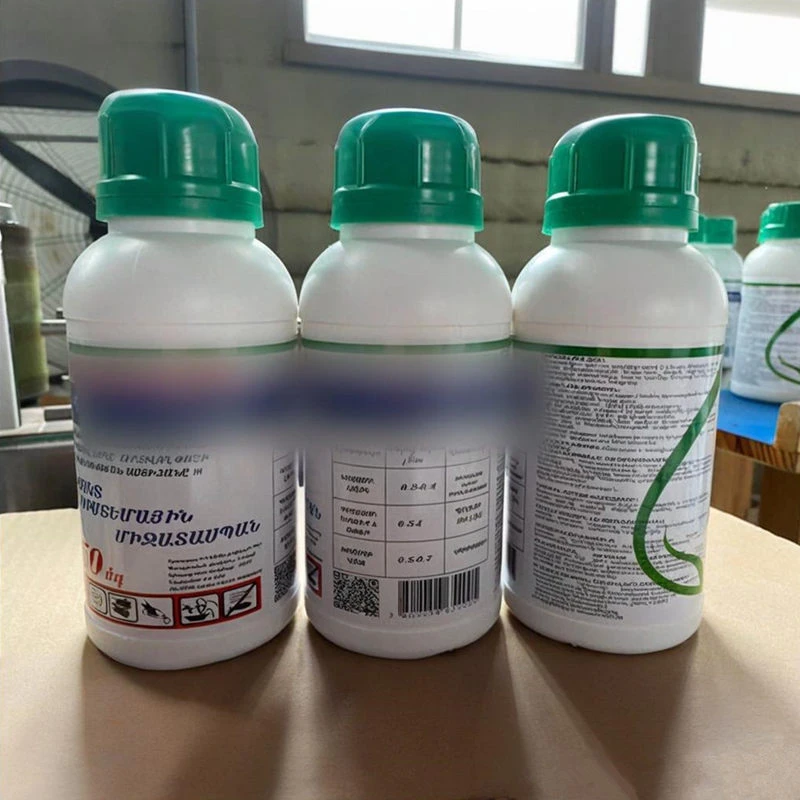
If you’re still on the fence about whether Pyroxsulam is right for your farm, or if you have questions about mixing rates for your specific weed pressure, or even tips for handling it safely (it’s a low-toxicity product, but always wear the recommended PPE—gloves, goggles, a long-sleeve shirt), feel free to reach out. As a Pyroxsulam supplier, I’m not just here to sell you a product—I’m here to make sure it works for you. We’ve worked with hundreds of farmers across the region, and we can provide detailed application guides tailored to your crop, soil type, and weed species. Don’t let bad timing or a messy spray tank ruin your weed control this year. Let’s make this season your best one yet.
Herbicides References
Agricultural Herbicide Resistance Action Committee. Herbicide Mode of Action Classification and Resistance Management Guidelines; 2022.
US Environmental Protection Agency. Pyroxsulam Fact Sheet for Herbicide Use; 2019.
Midwest Agronomy Guide. Post-Emergent Herbicide Application Guidelines for Corn; 2023.
University Extension Weed Science Programs. Best Management Practices for Sulfonamide Herbicides; 2021.
Changzhou Dayilong Bio-Tech Co., Ltd.
With abundant experience, we are one of the most professional pyroxsulam manufacturers and suppliers in China. Please rest assured to buy bulk high quality pyroxsulam made in China here from our factory. Good service and reasonable price are available.
Address: Hundsun Science & Technology Park 3-1, BeiTangHe Road 8, Tianning District, Changzhou City, Jiangsu, China
E-mail: Sales@dayilongbio-tech.com
WebSite: https://www.dayilongagro-chemical.com/
