Hey everyone, it’s Jake here—your go-to guy for all things rubber expansion joints, and I’m writing to you from the factory floor on a crispy Monday morning. I get tons of DMs and calls every week that go something like: “Jake, can rubber expansion joints even work outside? I saw one on a piping project that’s been sitting in the sun for two years, and it’s still holding up—or wait, is that just dumb luck?” Let’s cut through the noise and answer that question straight: Yes, rubber expansion joints absolutely can be used in outdoor environments—if you pick the right one, and you don’t skip the simple upkeep that makes them last. I’ve been selling these bad boys for 12 years, so I’ve seen the good, the bad, and the straight-up dumpster fire when people ignore outdoor conditions. Let me break this down like I’m talking to a contractor who’s got a deadline tomorrow, not a textbook. Rubber Expansion Joints
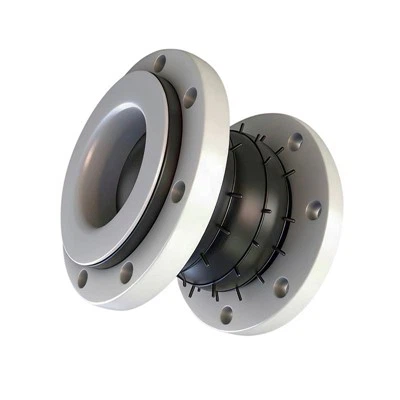
First, let’s ground this in why expansion joints even matter, because if you don’t know that, you won’t care about the outdoor stuff. Pipes expand and contract, right? It’s not a myth—hot water lines, industrial piping, even fire systems swell when they’re hot and shrink when it’s cold. If you don’t have an expansion joint there to take up that movement, pipes will pull themselves apart, crack, or burst. That’s not a “minor leak”—that’s a job that costs thousands of dollars in downtime, and a whole lot of angry clients. Outdoors, that movement gets way more extreme because of the elements. It’s not just temperature swings inside a building—it’s 100°F summer heat, 20°F winter frost, rain, UV rays, even road salt if you’re working near a highway. I’ve seen cheap, indoor-grade expansion joints turn into a gooey mess on a job in Arizona because someone forgot UV exists. Oops.
Here’s the big secret: not all rubber is created equal. A lot of people grab whatever expansion joint they used indoors for a hallway and slap it outside, and wonder why it falls apart in a year. That’s like wearing your indoor sneakers hiking a mountain—they weren’t built for it. Let’s talk about the rubber compounds we use for outdoor joints, because that’s the make-or-break part. First, EPDM is the workhorse here. I use EPDM for 80% of my outdoor orders, and for good reason. It’s resistant to UV—like, really resistant. It doesn’t break down when the sun blasts it for years on end, and it handles temperature swings way better than regular rubber. EPDM can go from -40°F to 300°F, so it’s perfect for everything from HVAC pipes on a rooftop to water lines running through a construction yard. I also use Neoprene (polychloroprene) for some projects, especially where there’s chemical exposure, like if the piping is near a loading dock with cleaning chemicals. Neoprene is tougher on oils and chemicals, which adds another layer of protection for outdoor setups. What I never, ever use for outdoor work is natural rubber or cheap Buna-N that’s only made for indoor HVAC. Those will crack and fade in 18 months tops. I had a client in Florida last year who used cheap indoor joints for their pool piping, and they were replaced twice in 12 months before he switched to EPDM from me—they’re still going strong two years later.
But it’s not just the rubber material. There’s the hardware too—stuff you might not think about, but makes a huge difference when it’s outside. The flange on the expansion joint (that’s the flat metal part that bolts to the pipe) matters a lot. I always recommend galvanized steel flanges for outdoor use, not plain steel. Plain steel will rust within a year, especially if it’s near salt air or road salt. Galvanized has that zinc coating that fights rust, so even after three years in a coastal area, it still looks good. For projects near the ocean, I’ll even bump it up to 316 stainless steel flanges—they’re a little pricier, but worth it to avoid the headache of replacing a rusted-out flange that’s seeped into the pipe. Another thing: the pressure rating. Outdoors, pipes often have more variable pressure—like if a sprinkler system is running full blast, or a fire line is being tested. I always suggest going one pressure rating higher than the pipe spec for outdoor use. Don’t just get a 150# joint if the pipe is 150#—jump to 300#. It’s not much more expensive, and it handles those random pressure spikes that happen outside way better.
Now, let’s talk about common mistakes I see people make with outdoor expansion joints, because this is where most of the problems happen. First: not protecting the joint from direct sun? Wait, no—wait, some people think if they cover it with a tarp, that’s fine. But tarps trap moisture, and moisture + rubber = mold, which breaks down the rubber from the inside out. I had a client in Houston who covered his rooftop joints with a plastic tarp for a winter, and when we took it off, the rubber was full of tiny cracks from trapped moisture and mildew. Dumb move. Another big one: not installing it right. If you mount an expansion joint too tight, it can’t expand and contract when the temperature changes—so it’s basically just a static piece of rubber, which will tear. Outdoors, you have to factor in the full temperature range of the location. If you’re in Minnesota, where winter is -20°F and summer hits 90°F, that’s a 110°F swing. You have to leave room for that movement when you install it. I always send a spec sheet with every outdoor joint I sell, with exact installation tolerances—people hate reading it, but it’s the difference between a joint that lasts 10 years and one that lasts 10 months.
Wait, what about extreme environments? Like, if someone is installing an expansion joint in Alaska, or Death Valley, or right next to the ocean in Maine? Yeah, we have options for that too. For Death Valley, where summer hits 115°F, we use EPDM that’s formulated for high-heat resistance—can handle up to 350°F. For coastal areas with salt air, we coat the flanges with an extra layer of anti-corrosive paint, and sometimes we add a UV-resistant outer sleeve to the joint itself. Those sleeves aren’t just for looks—they block the sun, keep rain and dirt out of the inner rubber, and extend the life by 3-4 years. I did a project in Bar Harbor last year, right on the Atlantic, and the client was worried about salt spray eating through the joints. We went with EPDM with a coated flange and a UV sleeve, and he’s already told me it’s holding up way better than the last ones he bought from a big-box supplier.
Another question I get all the time: can rubber expansion joints handle snow or ice? Absolutely—if they’re the right material. EPDM stays flexible even at -40°F, so it doesn’t get brittle when it’s cold. A lot of cheap rubber gets hard when it’s freezing, then cracks when the pipe expands. I had a job in Buffalo where someone used indoor Buna-N joints, and they all cracked when the temperature dropped to -10°F. Switched to EPDM, and they made it through that brutal winter no problem. Snow is actually pretty harmless, as long as it’s not sitting on the joint for months. If you have a joint under a rooftop where snow piles up, just clear it off once a season—moisture from melting snow is the enemy here, not the snow itself.
Now, let’s get to the boring but important part: maintenance. People think once they install an expansion joint, they never have to look at it again. Nope, especially outdoors. A quick check every six months is all it takes. Here’s what I look for: tiny cracks in the rubber (usually from UV or pressure), rust on the flanges, dirt or debris trapped in the bellows (that’s the folded part of the joint that moves), and any signs of leaking. I tell my clients to do this check in spring (after winter) and fall (before winter), so if there’s a problem, you fix it before it gets worse. Last year, a client in Denver texted me a pic of a small crack on a joint, and we sent a cheap repair kit for $50, instead of having to replace the whole joint for $500 later. That’s the kind of service I offer—no upselling, just straight advice.
Wait, should you even use rubber expansion joints outdoors? Are there other options? Yeah, metal expansion joints, but those are way more expensive, and they’re rigid. Rubber is flexible, handles vibration (like if the pipe is near a generator or a pump) way better, and costs half as much as metal. For most outdoor piping projects—HVAC, water lines, fire systems, industrial piping—rubber is the better pick, as long as you get the right type. I’ve been doing this for so long, I can spot a bad outdoor joint before it even gets installed. If someone tells me they need a joint for a project in Palm Springs and they want the cheapest one available, I’ll tell them it’ll last 18 months, and here’s why they should pay a little more for the right EPDM. Most people listen.
Let me wrap this up, because I know you’ve got a project to finish or a quote to get. The short answer to “can rubber expansion joints be used in outdoor environments?” is a resounding yes—but only if you avoid indoor-grade rubber, pick the right compound (EPDM for most, Neoprene for chemical exposure), use corrosion-resistant hardware, install it with movement in mind, and do a quick semi-annual checkup. I’ve been selling joints for 12 years, and I’ve only had three outdoor joints fail prematurely, and two of those were because the client ignored my advice and used cheap indoor rubber. The third was a rogue storm that hit a rooftop joint harder than specs accounted for, and we replaced it under warranty no questions asked.
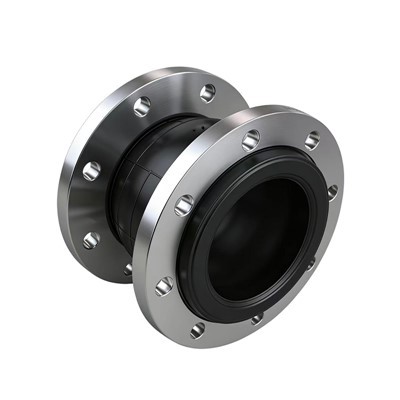
If you’re working on an outdoor project and you’re not sure what kind of expansion joint you need—whether it’s for a rooftop HVAC system, a water line on a construction site, or industrial piping near a loading dock—hit me up. I don’t do pushy sales stuff. I’ll ask you a few quick questions: what’s the temperature range where you’re installing it? Are there chemicals or salt air around? What size pipe are you working with? And I’ll point you to the exact joint that’ll last, no surprises. I’ve got spec sheets ready, and I can send samples if you need them. Don’t waste money on cheap joints that’ll fall apart in a year—invest in the right one, and you’ll forget about it for a decade.
Rubber Expansion Joints References:
- Rubber Manufacturers Association. (2021). Outdoor Performance of Elastomeric Expansion Joints.
- ASME B31.9. (2022). Building Services Piping. American Society of Mechanical Engineers.
- National Fire Protection Association (NFPA). (2023). NFPA 13: Standard for the Installation of Sprinkler Systems.
Henan Fuwei Pipeline Equipment Manufacturing Co., Ltd.
We’re well-known as one of the most experienced rubber expansion joints suppliers in China. With abundant experience, we warmly welcome you to buy high quality rubber expansion joints in stock here and get quotation from our factory. For price consultation, contact us.
Address: 100# Yongan Road 200m,Xicun Town ,Gongyi , Zhengzhou Henan,China.
E-mail: flexjoints@aliyun.com
WebSite: https://www.fwrubberjoints.com/
