Hey everyone, thanks for stopping by my corner of the internet—if you’ve ever worked in manufacturing, water treatment, or even just tinkered with cleaning supplies in your garage, you’ve definitely crossed paths with inorganics without even realizing it. I’m the owner of a small, local inorganics supplier, and let me tell you, the question I get asked most from new clients is: “How do these chemicals actually react with other stuff?” It’s way more than just mixing two liquids and hoping for the best, right? Let’s break this down like I would over a coffee, no stuffy textbook jargon (promise). Inorganics
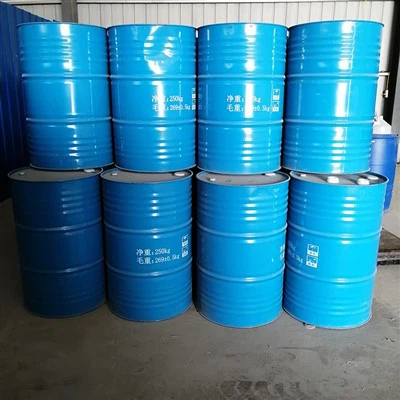
First off, let’s define what we’re talking about here, plain and simple. Inorganics are chemicals that don’t come from living things—think salts, metals, acids, bases, oxides, even that chlorine you put in your pool. Organic chemicals, by contrast, are carbon-based, like the plastics or oils you’d find in a motor. The big difference when it comes to reactions? Inorganics usually involve ions—charged atoms or molecules—finding each other and swapping, bonding, or breaking apart, whereas organics tend to be more about sharing electrons in those carbon chains. That’s the core of it, but let’s get into the common reactions I see every day in my warehouse.
Take acid-base reactions, for example. These are the bread and butter of what we supply. If you’ve ever used hydrochloric acid to clean metal pipes or sodium hydroxide (lye, basically) to adjust pH in a water system, you’ve seen this in action. Here’s how it works: an acid gives up a hydrogen ion (H+), and a base gives up a hydroxide ion (OH-). When those two combine, you get water, and the leftover ions make a salt. I once had a client in the food processing industry come to me panicking because their pH levels were off, making their product taste weird. They were mixing sulfuric acid with soda ash (sodium carbonate) to balance things out, and they kept getting that “salt sludge” they didn’t want. Turned out they were adding too much sulfuric too fast—instead of reacting evenly, it was creating a messy precipitate instead of a smooth neutralization. Once we adjusted the ratio, they cut their waste by 40% that month. That’s the kind of on-the-ground stuff that makes this job fun.
Then there’s redox reactions—short for reduction-oxidation, if you want the fancy name. This is where electron swapping happens, and it’s why we supply so many oxidizing agents for things like bleaching or water disinfection. Chlorine is a perfect example here. When chlorine (Cl2) meets something organic like a dye molecule or even bacteria, it steals electrons from those targets, breaking them apart. Last summer, a municipal water treatment plant reached out to us because their existing chlorine supply was running out, and they were struggling with algae blooms in their holding tanks. We switched them to a stabilized calcium hypochlorite (one of our top-sellers for this exact use) and walked them through how it slowly releases chlorine instead of a quick burst. The algae were gone in three days, and they didn’t have the over-chlorinated tap water complaints they’d had before. Redox reactions aren’t just for water, either—they’re how metals get extracted from ore, how batteries work, even how rust forms on your old garden tools (that’s iron oxidizing, for the record).
Wait, let’s not forget precipitation reactions, which are super important for industries like mining and construction. Precipitation is when two soluble inorganic chemicals mix, and the ions swap to form an insoluble solid—aka that “sludge” I mentioned earlier, but when it’s intentional, it’s a game-changer. A mining client of ours needed to remove heavy metals like lead and cadmium from their wastewater before dumping it. We recommended adding sodium sulfide, which reacts with those heavy metal ions to form lead sulfide and cadmium sulfide—both totally insoluble, so they sink to the bottom as a solid precipitate, easy to filter out. Before working with us, they were using a generic flocculant that only removed 60% of the metals; with our custom blend of sodium sulfide and a coagulant, they hit 99% removal, and avoided a $12,000 EPA fine that quarter. That’s the real impact of getting the reaction right.
Now, here’s the part that trips a lot of people up: context matters way more than the chemical’s name on the label. Temperature, concentration, even the pH of the environment can change how an inorganic reacts. I had a small manufacturing client a few months back who was using iron chloride to etch metal parts. They were working at room temperature, but their product kept having uneven etches. We suggested raising the temperature just 15 degrees Fahrenheit, and suddenly the reaction was consistent across every part. Why? Higher temp gives the ions more energy to bump into each other, so they react faster and more evenly. Conversely, too high a concentration can make reactions go too fast—like when someone mixes too much drain cleaner (which is usually sodium hydroxide) and it gets so hot it can melt plastic pipes. We always warn new clients to test a small batch first, not just dump the whole drum in.
Also, don’t make the mistake of assuming inorganics only react with other inorganics. A lot of people forget they can react with organics too, sometimes for good, sometimes for bad. For example, if you mix a strong acid like nitric acid with an organic material like wood, it can cause a violent, even explosive reaction. That’s why we have a whole section on our supply site (yes, I run a tiny basic site, nothing fancy) about incompatible pairings—we’ll even send a free quick-reference guide to any client that asks. I once had a guy come in with a 5-gallon bucket of nitric acid he’d stored next to a can of paint thinner, and he was lucky it didn’t catch fire. We helped him dispose of the paint thinner properly, and adjusted his storage setup so that never happens again. That’s the service we pride ourselves on, not just handing over a drum and walking away.
Let’s talk about something close to home for me, too: I used to work in a chemical lab before I started this supply business, and one of my favorite projects was testing how certain inorganics react with agricultural soils. Farmers are always looking for ways to boost crop yield without adding too much synthetic stuff, and inorganic fertilizers like ammonium nitrate (that’s a nitrogen source, for anyone who doesn’t know) react with soil’s water to release the nutrients plants need. But get this—if you apply too much ammonium nitrate at once, it can react with soil microbes and release nitrogen gas into the air instead of feeding the crops, wasting product and hurting the environment. So we worked with a local farm to develop a slow-release blend with our ammonium sulfate, which reacts more gradually. They increased their corn yield by 18% last year, and cut their fertilizer use by 22%. That’s why I do this—seeing the practical side of these reactions, not just the chemistry textbook stuff.
Now, let’s address a common misconception: people think inorganics reactions are all fast, messy, or dangerous, but a lot of them are mild, controlled, and super useful. For example, when you mix baking soda (sodium bicarbonate, an inorganic) with vinegar (which has acetic acid, an organic, so that’s a mix of inorganic and organic), it creates that bubbly carbon dioxide gas—classic volcano stuff, but it’s also how you unclog small drains or extinguish small grease fires. We sell baking soda in 50-pound bags to restaurants all the time for exactly that. It’s a simple reaction, but it’s reliable, and that’s what matters most for most people.
If you’re reading this and you’re a small business owner, a lab tech, a farmer, or even a hobbyist working on a project, the takeaway here is this: knowing how inorganics react is half the battle, but partnering with someone who’s actually worked with these chemicals day in and day out is the other half. We don’t just sell drums here—we test reactions with you, adjust ratios, warn you about incompatible pairings, and even help you troubleshoot when something goes sideways. That’s the stuff big box suppliers won’t tell you; they just hand over a list of chemicals and leave you to figure it out.
Here’s the thing: every reaction has variables, no two applications are identical, and you can’t just go by a MSDS sheet (the safety data sheets) alone. I’ve seen a client use a chemical that worked great for their neighbor, but failed for them because their process temperature was 10 degrees off. We spend time with each client, asking questions about their specific use case, because a reaction that works for a mining operation won’t work for a food processing plant, and vice versa.
If you’re in the market for inorganics—whether it’s acids, bases, salts, oxidizers, whatever you need—don’t hesitate to reach out. I’m here to help you work through the reaction part, make sure you get the right product for the job, and avoid the mistakes I’ve seen too many people make. We offer custom blends, free small-scale reaction testing, and same-day delivery for local clients. No stuffy sales pitches, no hidden fees, just a guy who knows his chemicals and wants to help your project work.
Wait, one last tip before we wrap up: whenever you’re working with inorganics, always test first. Mix a small amount of the two chemicals you’re using, under conditions that match your actual use, before going all in. That 10 minutes of testing can save you hours of work, hundreds of dollars in wasted product, and even a trip to the ER (don’t laugh, I’ve seen it). We can help with that testing too—we have a small lab on-site, so we can run a quick reaction for you and tell you exactly what to expect.

Okay, that’s all from me for today. I know chemistry can feel overwhelming, but once you understand the basics of those ion swaps and electron transfers, it’s really not that scary. And when you have a local supplier who gets it, it becomes way less of a headache. If you’re ready to chat about your needs, just get in touch—we can set up a time to talk, go over your project, and make sure you have everything you need to get those reactions right.
Resin and Rubber References
- Brown, T. L., et al. Chemistry: The Central Science. Pearson, 2020.
- US Environmental Protection Agency. “Chemical Reactions in Water Treatment.” EPA.gov, 2022.
- Matheson, D. S. Inorganic Chemical Reactions for Industrial Applications. Wiley, 2019.
Sinoright International Trade Co., Ltd.
We’re well-known as one of the leading inorganics manufacturers and suppliers in China, featured by quality products and good price. With abundant experience, we warmly welcome you to buy bulk inorganics for sale here from our factory.
Address: NO.13-1 HESHUOYUAN, GANJINGZI DIST, DALIAN,CHINA
E-mail: harry.du@sinoright.net
WebSite: https://www.sinoright-chemicals.com/
