When I started my journey as an African fabrics supplier seven years ago, I thought selling vibrant ankara prints, handwoven kente cloth, and mudcloth was just about bringing beautiful textiles to customers around the world. It didn’t take long to realize that there was a whole layer of responsibility I’d never considered: the ethical implications of every bolt of fabric that left my warehouse. Every time a customer asks, “Is this fabric ethically made?” I don’t just give a quick yes or no answer. I walk them through the messy, human side of what goes into creating each piece, and I make sure they understand that choosing African fabrics isn’t just about supporting a trend—it’s about honoring the people and communities who pour their creativity into every thread. African Fabrics

One of the first and most critical ethical considerations when buying African fabrics is ensuring fair compensation for the artisans and workers involved. For too long, African textiles have been caught in a cycle of exploitation. Fast fashion brands often source mass-produced prints from factories where workers earn below a living wage, work in unsafe conditions, and have no job security. When I visited a small ankara factory in Lagos a few years ago, I met a group of women who’d been folding fabric for 12-hour shifts, earning less than $5 a day. They told me they couldn’t afford to send their own kids to secondary school, even though the fabric they were making was being sold for hundreds of dollars in stores abroad. That visit changed everything for me. As a supplier, I made a promise to only work with producers that pay a living wage, provide safe working environments, and offer benefits like health insurance and paid time off. Today, all the artisans I partner with—whether they’re hand-stitching kente in Ghana or dyeing mudcloth in Mali—earn enough to support their families, send their children to school, and invest in their communities. I share pay stubs and work hour records with every customer who asks, because I believe transparency is non-negotiable here.
Cultural respect and intellectual property rights are another huge part of this conversation. African fabrics aren’t just commodities—they’re deeply tied to history, identity, and tradition. Kente cloth, for example, isn’t just a colorful woven fabric; it’s a symbol of Ashanti and Ewe heritage, with each pattern carrying a specific meaning related to leadership, community, or important life events. For decades, Western brands have copied these patterns, mass-produced them, and sold them without any credit or compensation to the communities that created them. It’s cultural appropriation, plain and simple. When I was first sourcing kente, I worked directly with a group of weavers in a small village in Ghana, all members of the Ashanti community. We agreed that every time I ordered a specific kente pattern, I would pay an additional licensing fee to the village’s cultural council. That fee goes toward preserving traditional weaving techniques, teaching young people in the village how to weave, and maintaining cultural sites. I also only sell kente patterns that are meant for public use—never the sacred, restricted patterns that are only used for specific ceremonies. Customers who buy my kente aren’t just buying fabric; they’re honoring a tradition, not taking it. I always make sure to educate my customers about the history behind each fabric, too. If someone asks why a kente cloth costs more than a mass-produced imitation, I tell them: that extra cost goes to the weaver, the cultural council, and the preservation of a 400-year-old tradition.
Environmental sustainability is also a key ethical consideration that often gets overlooked. Traditional African dyeing and weaving practices have been eco-friendly for centuries, using natural materials like indigo, bark, and mud. But when mass-produced fabrics hit the market, synthetic dyes and toxic chemicals became the norm. These chemicals leach into local water sources, kill fish, and make workers sick. A few years ago, I visited a village in Burkina Faso that’s known for its hand-dyed bogolanfini (mudcloth). The women there use fermented mud and natural indigo to dye the cloth, and their dye pits are designed so that any excess mud and indigo seeps back into the ground without harming the environment. In contrast, I saw a nearby factory that used synthetic dyes; their waste water was being dumped into a local river, turning it bright blue and making the local people afraid to wash clothes in it or drink from it. That’s when I decided to only stock fabrics made with sustainable, non-toxic materials. All the natural dyes I source are produced by small cooperatives that follow traditional, eco-conscious methods, and I avoid any fabrics that use synthetic chemicals or non-recyclable materials. I also work with my shipping partner to use carbon-neutral packaging, because ethical responsibility doesn’t stop at the factory door—it includes getting the fabric to customers without harming the planet.
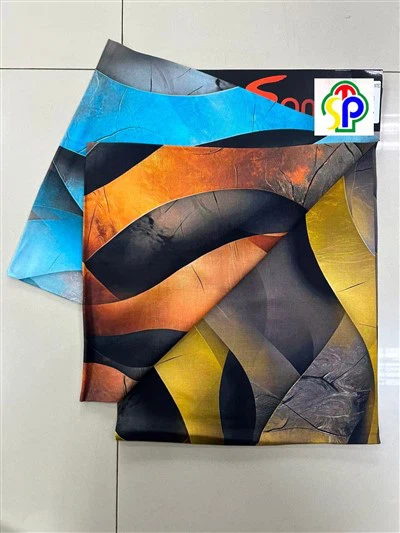
Community development is the final piece of this ethical puzzle. When you buy African fabrics, you have the power to support entire communities, not just individual workers. For example, the kente weavers in Ghana I partner with use a portion of every sale to build a community school for children who can’t afford formal education. The mudcloth dyers in Mali have used their earnings to build a well that provides clean water to the village, which was a huge problem before. As a supplier, I don’t just send fabric and take payment—I get involved in these communities. Last year, I organized a fundraiser among my customers to buy new weaving looms for the Ghanaian weavers, who were using old, worn-out looms that slowed down their work. The weavers were so grateful that they invited me to a naming ceremony for one of their new looms, named after my business. That’s the kind of relationship I want to build with every customer: not just a transaction, but a partnership that uplifts everyone involved. Of course, it’s important to note that not all African fabric suppliers are ethical. Some still take advantage of communities, copy cultural patterns, and use harmful practices. That’s why it’s so critical to do your research, ask questions, and choose suppliers who are transparent about their practices.
Rayon Dyed Fabric When a customer reaches out to me about buying African fabrics, I don’t just want to sell them a bolt of cloth. I want them to feel proud that their purchase is making a positive impact. Every fabric has a story, and it’s my job to share that story honestly. I’ve had customers come back to me after purchasing ankara fabric, telling me they used it to make a dress for their daughter, and that when they explained the story of the women who made it, their daughter felt connected to that community all the way across the Atlantic. That’s the magic of African fabrics: they’re not just material—they’re a bridge between cultures. If you’re looking to source African fabrics for your business, your home, or your personal projects, I’d love to connect with you. We can talk about the fabrics that align with your values, learn more about the communities they come from, and make sure your purchase is ethical, respectful, and impactful. Let’s build something together that honors the creativity and dignity of African artisans.
References
- International Trade Centre. (2021). Ethical Trade in African Textiles: A Guide for Importers and Retailers. Geneva: United Nations Conference on Trade and Development.
- Opoku, K. (2019). Cultural Appropriation and African Textiles: Addressing Ethical Gaps in Global Fashion Markets. Journal of African Cultural Studies, 31(2), 189-203.
- Diarra, M. (2020). Traditional Natural Dyeing Practices in West Africa: Sustainability and Cultural Heritage. Journal of Ethnobiology and Ethnomedicine, 16(1), 45.
- Ghana Handweavers’ Association. (2022). Fair Compensation and Intellectual Property: Standards for Traditional Textile Producers in Ghana. Accra: Ghana Handweavers’ Association.
- Sustainable Apparel Coalition. (2021). African Textile Supply Chain Sustainability Report. San Francisco: Sustainable Apparel Coalition.
Zhangjiagang City Shazhou Textile Printing and Dyeing Imp. & Exp. Co., Ltd.
Zhangjiagang City Shazhou Textile Printing and Dyeing Imp. & Exp. Co., Ltd. is one of the leading african fabrics manufacturers and suppliers in China. We warmly welcome you to buy cheap african fabrics for sale here from our factory. All customized products are with high quality and low price.
Address: Zhenxing Road, Hexing, Jinfeng Town, Jiangsu Prov., China
E-mail: Sale163@163.com
WebSite: https://www.shazhou-tex.com/
