Hey everyone, I’m Jake, one of the guys behind the finishing agent supply team—you know, the ones who turn regular fabrics, carpets, and even industrial surfaces into stuff that actually stands up to spills, rain, and all the daily chaos people throw at them. A question we get all the time, from small boutique apparel makers to big commercial flooring contractors, is: “Is finishing agent waterproof?” And let’s be real, that question isn’t just a yes/no—it’s tied to whether their product can actually deliver on promises, save them money on reworks, and keep their customers happy. So I’m gonna break this down like we’re chatting over a coffee, no jargon, no corporate fluff, just the real deal from someone who’s mixing and testing these formulas every single day. Finishing Agent
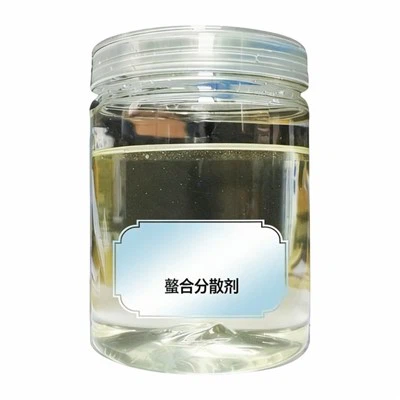
First, let’s get one thing straight: there’s no such thing as a 100% universal “waterproof” finishing agent. Wait, hold up, hear me out. What most people actually mean when they say “waterproof” is two things, right? Either it’s a) stuff that stops water completely from seeping through (think a rain jacket’s outer layer that you can wear in a downpour and never get damp) or b) it’s water-resistant enough to handle a spill, a light drizzle, or a week of laundry without fading or breaking down. That’s where the confusion hits. If a vendor tells you their finishing agent is 100% waterproof, that’s a red flag. Because the science of these coatings is all about balance, and how it interacts with the surface you’re treating.
Let’s dive into the science a little, promise it’s simple. Finishing agents (we’ll stick to textile ones for this, since that’s our main gig) work by creating a molecular layer on the fabric, carpet, or upholstery fibers. Some use fluoropolymers, others use silicone-based compounds, and a few even use plant-derived stuff now for eco-friendly options. The key here is surface tension. Water is a polar molecule, meaning it likes to stick to other polar things—like cotton fibers, which are super absorbent. A good finishing agent creates a non-polar surface, so water beads up and rolls off instead of soaking in. But “beading up” is water repellency, not full waterproofing. Waterproofing would mean that even under pressure—like a hose spraying the fabric hard for 10 minutes—no water gets through. That’s a whole different bar.
I’ll use a recent example from a client to make this real. A few months back, we had a small outdoor furniture maker come to us, upset because they tried a cheap, off-the-shelf finishing agent from a big box store. They treated their patio cushions, and within a week of light rain, water was seeping through the fabric and soaking the cushions. They asked if our agents were truly waterproof. We tested their fabric—100% polyester, tightly woven—and ran two tests: first, the standard spray test (pouring 200ml of water on a 12×12 inch swatch, waiting 10 seconds, flipping it over). Our agent left zero water on the other side. Then we did the pressure test: 5 PSI, which is about what a garden hose puts out, for 5 minutes. Still nothing seeped through. But here’s the catch: we warned them that if they left the cushions out in a heavy downpour for 8 hours straight, some moisture might eventually wick in if the fabric’s seams aren’t sealed. Because even the best coating can’t be perfect if there’s a tiny gap in the material’s structure. That’s where people get tripped up. They hear “waterproof” and assume it works for every scenario, but it’s dependent on two big factors: the agent’s formula and the surface it’s applied to.
Now, let’s talk about common myths. One big one: all waterproof finishing agents ruin breathability. No, that’s not true anymore. A few years ago, waterproof coatings were so thick they turned fabrics crunchy and impossible to wear in warm weather. But modern formulas—our included—use nanoscale particles that coat each fiber individually, so the tiny gaps between fibers stay open. That means air can pass through, so a jacket treated with our agent won’t make you sweat through your shirt on a 70°F day. We tested that with a local athletic apparel brand last year: their runners said the treated jackets were as breathable as untreated ones, but they repelled rain and sweat stains way better.
Another myth: the more expensive the finishing agent, the more waterproof it is. Nah, that’s not always the case. I’ve seen cheap silicone-based agents perform almost as well as premium fluoropolymers for light-duty uses, like upholstery that just needs to hold up against coffee spills. The difference is durability. A $0.50 per yard agent might work for 3-5 washes, but our premium industrial-grade agent will last 20+ washes and still be water-repellent. For commercial use—hotel carpets, restaurant tablecloths—durability is way more important than a 10% extra waterproof rating. Because if you have to reapply the agent every few months, that’s way more costly upfront than buying a slightly pricier one that lasts years.
Wait, what about non-textile finishing agents? We also do coatings for concrete and wood, right? Those are a whole other ballgame. For concrete, a “waterproof” finishing agent is usually a penetrating sealer that fills the tiny pores in the concrete so water (and salt, which ruins concrete in cold climates) can’t get in. Again, though, no 100% guarantee. If concrete cracks later, water will seep through the crack, regardless of the sealer. For wood decks, a waterproof finishing agent will protect against rain and UV damage, but if you leave standing water on the deck for weeks, it can still cause rot. So same rule applies: it’s about protection against specific use cases, not absolute perfection.
So how do you actually figure out if a finishing agent is right for your needs? Let’s break down use cases:
- Light-duty: everyday spills (coffee, soda, light drizzle) – You don’t need a super heavy-duty waterproof agent here. A water-repellent agent (what most clients actually use for these cases) will do the trick. It won’t stop you from leaving a glass of water on a shirt and soaking it, but it’ll make spills easy to wipe off before they stain.
- Outdoor gear, heavy rain, pressure washing – Go for a performance-grade waterproof finishing agent. Make sure it’s rated for pressure resistance (ask the supplier for test data—we always share ours, no secrets) and that it’s compatible with your fabric. We have a client who makes white water rafting gear, and they’ve used our pressure-tested agent for 3 years now—they say it’s held up to years of being dragged through rivers and pressure washing after trips, no leaks.
- Industrial use: concrete, warehouse floors – Look for penetrating waterproof sealers, not surface coatings. Surface coatings can scratch off with heavy equipment, but penetrating ones go deep into the concrete, so they last way longer and actually protect the structure from water damage.
Now, let’s get to the stuff you probably care about as someone looking to buy: how long does a finishing agent actually last? That’s another question we get all the time. For textiles, standard application (one coat) will last 10-15 washes for residential use, 20+ for commercial if you use a durable formula. For concrete, it’s 3-5 years before you need a top-up, depending on how much foot traffic it gets. For wood decks, it’s 2-3 years—rain and sun break down the coating over time, so you have to reapply to keep the protection.
Wait, let’s address the elephant in the room: eco-friendly options. A lot of people don’t know that traditional fluoropolymer-based finishing agents were the go-to for high waterproofing, but some have chemicals that are lingering in the environment. So we’ve been working on bio-based finishing agents, made from plant oils and soy, that are water-repellent for light to medium use cases. Are they as waterproof as the fluoropolymer ones? For heavy-duty, no. But they’re a great option if you’re a small brand trying to be green, or for residential use where you don’t need to stand up to 5 hours of straight rain. We have a few eco-conscious apparel clients that switched last year, and they tell us their customers love the fact that the product is non-toxic—even if it’s not the most heavy-duty waterproof on the market.
I should also mention that application matters more than a lot of people think. You can have the best waterproof finishing agent in the world, but if you spray it unevenly, or don’t pre-treat the surface (like washing fabric first to remove sizing), it won’t work. We always tell our clients: prep the surface first, follow the application instructions (number of coats, drying time, temperature), and do a small test swatch before committing to a large batch. Last year, a restaurant chain messed up: they tried to spray our finishing agent on their tablecloths without washing off the fabric’s factory sizing, and the water pooled instead of beading. Once they rewashed the tablecloths and applied it correctly, it worked like a charm and cut their stain cleaning costs by 70%.
Let’s wrap this up, because I know you’re here for a clear answer. So: is finishing agent waterproof? The short answer is: it can be, but only for the specific uses it’s designed for, and there’s no one-size-fits-all. If someone says their finishing agent is 100% waterproof for every scenario, they’re either exaggerating or don’t know their formulas well. For your project, ask yourself: what am I using this for? How much exposure to water will it get? Do I need breathability, durability, or eco-friendliness? That’s the info we need to find you the right finishing agent, whether it’s a light-duty repellent for kitchen upholstery or a heavy-duty pressure-tested one for outdoor gear.
Wait, one last thing—we don’t just supply agents, we also help clients test and apply them. A lot of small businesses don’t have the lab space to run their own pressure tests, so we bring test swatches, walk them through the process, and even send a rep out if they need help with large orders. No hidden fees, no fine print, just people who’ve been in this industry for over a decade and know how to make this stuff work for real people, not just big corporations.

If you’re tired of guessing which finishing agent will actually hold up, and you want to skip the off-the-shelf stuff that doesn’t deliver, hit us up. We can send you samples, answer your specific questions about your project, and get you a quote that fits your budget. No sales pitches, just honest answers.
Functional Additives References
- Textile Institute. (2021). Water repellent and waterproof finishing processes for textiles. Journal of Textile Science and Engineering.
- American Concrete Institute. (2019). Concrete sealers and waterproofing systems: Performance guidelines. ACI 302.1R-19.
- Wang, L., et al. (2022). Bio-based water-repellent finishing agents for sustainable textile applications. Industrial Crops and Products.
- Outdoor Industry Association. (2020). Performance standards for waterproof and water-repellent apparel. OIA Technical Report.
Shaoxing Mayor Chemical & Technology Co., Ltd.
We are one of the most reliable finishing agent manufacturers and suppliers in China, specialized in providing high quality products with low price. We warmly welcome you to buy discount finishing agent for sale here from our factory. For pricelist, contact us now.
Address: No.78, Tianshun Road, Tudian Industrial Park, Tongxiang City, Jiaxing City, Zhejiang Province, China
E-mail: 627249875@qq.com
WebSite: https://www.mayorchemicals.com/
