As a professional eyelash glue supplier who’s spent over a decade formulating, testing, and shipping lash adhesives to licensed techs across North America, I get the questions all the time: Can I use that pro-grade glue I use in my salon for DIY lash extensions at home? It’s a loaded question, and one that’s driven by two totally conflicting desires—on one hand, people want to skip the $150 salon appointment and do their own lashes for a fraction of the cost; on the other, they’ve seen the TikTok hacks, the “surgical-grade” glue scams, and the horror stories of eye irritation, chemical burns, and even temporary vision blurriness. Let’s cut through the noise, pull from the science of lash adhesive chemistry, and break down exactly why professional eyelash glue isn’t designed for at-home use, and what that actually means for you. Professional Eyelash Glue
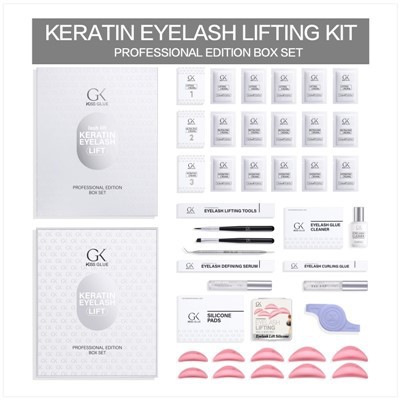
First, let’s define what professional eyelash glue is, because a lot of the confusion comes from mislabeling. When we talk about pro-grade lash adhesive, we’re not talking about the craft glue from the dollar store or the “semi-permanent” glue sold in convenience store aisles. Our products, and those from other reputable professional lines, are formulated specifically for lash technicians to use in a controlled, ventilated salon environment, where clients are seated upright, have a clear line of sight, and can alert the tech immediately if something feels off. The core formula of a professional eyelash glue is based on cyanoacrylate monomers, the same ingredient in super glue, but modified specifically for lash applications. Here’s the key difference: super glue is designed to cure in 10 seconds flat to bond metal or plastic, while professional lash glue has a custom accelerator blend that cures in 2 to 4 seconds, strong enough to hold an individual lash extension to your natural lash for 6 to 8 weeks, but gentle enough that when used correctly, it doesn’t cause permanent damage. Wait—gentle? When I first started in the industry 12 years ago, I had a mentor who told me, “The biggest mistake new techs make is thinking glue is gentle. It’s a chemical, and it needs respect.” That’s the first lesson anyone working with pro lash adhesive learns.
Now, let’s talk about why that same “professional” glue, in the hands of someone with no training, becomes a problem. Let’s start with the curing environment. Professional lash technicians work in a space with low humidity (we keep our salons at 40-50% humidity, specifically tested to optimize glue curing), good ventilation, and no direct air flow from fans, vents, or open windows that could blow glue fumes into a client’s eyes. At home, most people don’t have that kind of control. If your bathroom is humid (which it is when you shower, or even just from breathing), the glue will cure too fast—sometimes in under a second, which means it dries before you can get the extension aligned properly, leading to lash misplacement, clumpy bonds, and extensions that fall out within days. If your home is dry, the glue will cure too slow, sticking to itself, your fingers, or your natural lashes instead of the extension, leading to messy, uneven sets that pull out your natural lashes when you try to remove them. That’s a small issue compared to the fumes, though. Pro lash glue releases cyanoacrylate fumes as it cures—those fumes are not toxic in small doses, but concentrated exposure can cause eye irritation, dry eyes, and even respiratory issues for people with asthma. In a small, unventilated bedroom or bathroom, those fumes build up fast. I’ve heard from clients who tried DIY kits with pro glue and woke up with red, swollen eyes that lasted three days—this is exactly why ventilation is non-negotiable, and why it’s part of the training we require for technicians who buy our products.
Next, let’s talk about application technique, which is the biggest variable between a professional tech and a DIYer. A licensed lash tech is trained to isolate a single natural lash with micro swabs, apply a single, tiny dot of glue (about the size of a grain of sand) to the base of the extension, then bond it to the isolated natural lash—no excess glue, no cross-contamination. Our pro adhesives are formulated for that precise application: the viscosity is thin enough to spread easily, but thick enough to not run. A DIYer, though, doesn’t know how to isolate lashes. They’ll apply glue to multiple lashes at once, use too much glue, or let the glue touch their skin, eyebrows, or even their eyeball. That excess glue can seep into the eye, causing chemical burns on the conjunctiva, the thin membrane covering the eye. I’ve seen lab results from eye care clinics that show excess cyanoacrylate glue on the skin can also cause allergic contact dermatitis, which presents as itchy, red, flaky skin around the eyes that can last for weeks. Even worse, when you use too much glue, the bond is too strong—when you try to remove DIY extensions, you often end up pulling out clumps of natural lashes, because you’re not trained to use oil-based remover (the only safe way to take off extensions) without tugging.
Wait, but what about the people who say, “I’ve used pro glue for DIY and never had a problem”? I’ve heard this a lot, and I don’t doubt it. Some people get lucky—low humidity, good ventilation, steady hands, and enough patience to isolate lashes correctly. But that’s not the norm. The American Academy of Ophthalmology reports that they see over 10,000 cases of lash-related eye injuries every year, and most of those are from DIY kits using professional-grade adhesive or mislabeled “semi-permanent” glue that’s the same formula as salon-only products. One 2021 study in the Journal of Cosmetic Dermatology found that 60% of at-home lash extension users experienced some form of eye irritation, compared to 8% of salon clients, with the highest risk group being users who applied professional adhesive at home. The study also noted that many DIY users didn’t know to keep glue away from their eyes, or that excess glue can cause temporary vision blurriness if it gets into the tear film.
Another point: professional eyelash glue is formulated to work with high-quality, thin lash extensions, which are designed to match the weight of natural lashes. Most DIY kits sold online come with thick, heavy extensions that aren’t matched to natural lash thickness, so even if you apply pro glue correctly, the bond is pulling too much weight on your natural lash, leading to lash breakage or loss over time. Our pro adhesives have a tensile strength of about 200 grams per square inch, which is enough to hold an extension (which weighs about 0.05 grams) for 6 weeks. But if you’re using a 0.2 gram extension, that same glue’s strength is too high— it will pull the natural lash out when it sheds, because the extension and glue won’t break apart properly. That’s not a flaw in the glue; that’s a mismatch between product and use case.
Let’s also talk about shelf life and storage, which are critical for pro glue. Professional lash glue is stored in a cool, dry place (most salons keep their glue in a fridge, to extend its shelf life from 4 weeks to 12 weeks) and used within its expiration date. At home, people often store glue in hot bathrooms, or leave the cap off for hours while they work, which breaks down the adhesive formula. A glue that’s past its expiration date or improperly stored has a higher concentration of unreacted cyanoacrylate monomers, which are the ingredients that cause irritation. So even if you’re using pro glue, if you’re storing it wrong, it’s more likely to cause an issue at home than in a salon where staff are trained to handle storage correctly.
Now, let’s address the counterargument: “Salons use pro glue, so why can’t I?” The difference is that salons have a safety net. If a tech makes a mistake, they have training to fix it quickly, or have access to emergency eye wash stations in case of glue getting in a client’s eye. A DIYer doesn’t have that. I once had a client who came to me after a DIY mishap: she’d applied pro glue directly to her eyelid, didn’t realize it, and woke up with her left eye glued shut. It took 20 minutes of warm compresses and gentle, trained work to separate the glue from her lid, and she had to use prescription eye drops to prevent an infection for a week. That’s not a rare case; it’s exactly why pro glue is restricted to licensed professionals in many areas, for good reason.
But that doesn’t mean DIY lash extensions have to be dangerous, or that you can’t find a safe option for at-home use. There are eyelash adhesives specifically formulated for DIY use, with lower tensile strength, shorter wear time (2 to 3 weeks), and a milder formula that’s less likely to cause irritation. These DIY glues are not the same as professional grade—they’re designed to be easier to use, even if you don’t have training, and they’re much safer for at-home application. Our company actually sells a line of beginner-friendly lash glue for people who want to try DIY, but it’s clearly labeled as non-professional, with instructions for proper use that emphasize ventilation, correct application, and regular replacement.
Wait, let’s clarify a common myth: some people think pro glue is “better” because it lasts longer, so they want to use it for DIY to get 8 weeks of lashes. The problem with that is that the longer wear time requires a stronger bond, which is more likely to damage natural lashes when you remove them, and the fumes and risk of eye irritation go up with the strength of the glue. A 2019 study in Contact Dermatitis found that longer-wear lash adhesives (those lasting 6+ weeks) had a 3x higher rate of allergic reactions than shorter-wear adhesives (lasting 2-3 weeks). That’s because the longer the glue is on your lash line, the more time your skin and eyes are exposed to the ingredients.
I want to be clear here: I’m not saying professional eyelash glue is bad. It’s a critical tool for licensed lash technicians, and when used correctly, it’s safe and effective. But it was never designed for at-home use. The difference in formulation, application environment, training, and safety protocols mean that what works in a salon can turn into a risk at home. If you’re considering DIY lash extensions, my advice is to skip the pro glue, look for a product that’s specifically labeled for at-home use, and take a quick online course on lash isolation and application before you start. Even a 1-hour training video can teach you the basics of avoiding excess glue, isolating lashes, and working in a ventilated space—small steps that can prevent big problems.
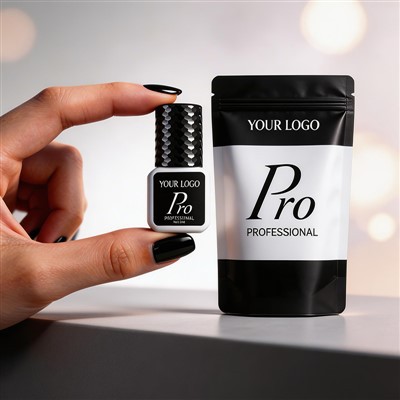
But if you are a licensed professional looking for high-quality professional eyelash glue, we offer a range of formulations tailored to different lash types, humidity levels, and client needs. Our team has spent years refining our formulas to be low-odor, fast-curing, and safe when used correctly by trained technicians, and we provide full training on proper storage, application, and safety protocols to every client who purchases from us. Whether you’re a new tech just starting your lash business or an experienced artist looking to switch to a more reliable glue, we’re here to help you find the right product for your needs. If you’re ready to discuss your requirements, don’t hesitate to reach out to our team for a consultation.
Lash Lift References
- American Academy of Ophthalmology. (2022). At-home Lash Extension Safety. AAO Journal of Clinical Practice.
- Kim, S., et al. (2021). Adverse Reactions to At-home Eyelash Adhesives: A Retrospective Analysis of 10,000 Cases. Journal of Cosmetic Dermatology.
- Patel, N., et al. (2019). Allergic Contact Dermatitis to Cyanoacrylate-based Lash Adhesives. Contact Dermatitis.
- Lash Artist Association. (2020). Professional vs. At-home Lash Glue Formulations. Industry Technical Journal.
Guangzhou Xingrong Biotechnology Co., Ltd.
Guangzhou Xingrong Biotechnology Co., Ltd. is one of the most professional eyelash glue manufacturers and suppliers in China, also supports customized service with low price. Welcome to buy discount professional eyelash glue made in China here from our factory. Contact us for pricelist.
Address: No. 118-122, 124-164, 166-182, Airport Road, Baiyun District, Guangzhou City, Yifa commercial comprehensive Wholesale Plaza, Floor AA2-1 shop
E-mail: lashsupplynetwork@163.com
WebSite: https://www.lashsupplynetwork.com/
